










Honda CB500 Hornet and Kawasaki Z500: discover the differences between the nakeds

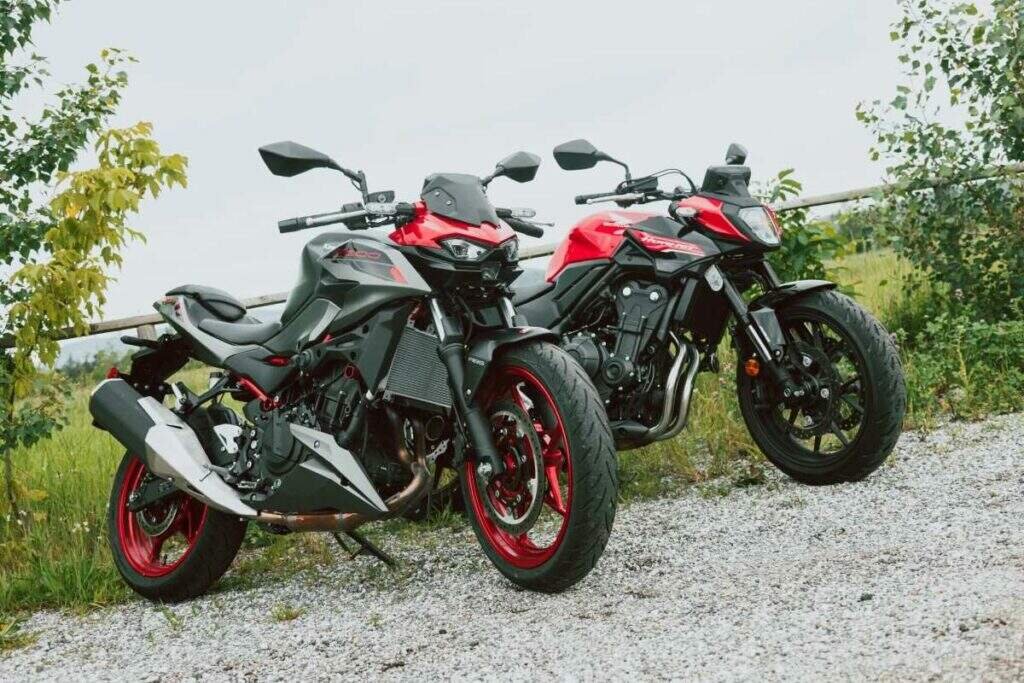
The medium-sized naked segment is hotter than ever in Brazil, and the arrival of the Honda CB500 Hornet intensifies the duel with the already present Kawasaki Z500. Although we haven't yet ridden the new Hornet to feel its reactions in practice, an in-depth technical analysis gives us a glimpse of where each of these Japanese "nudes" is aiming in 2025.
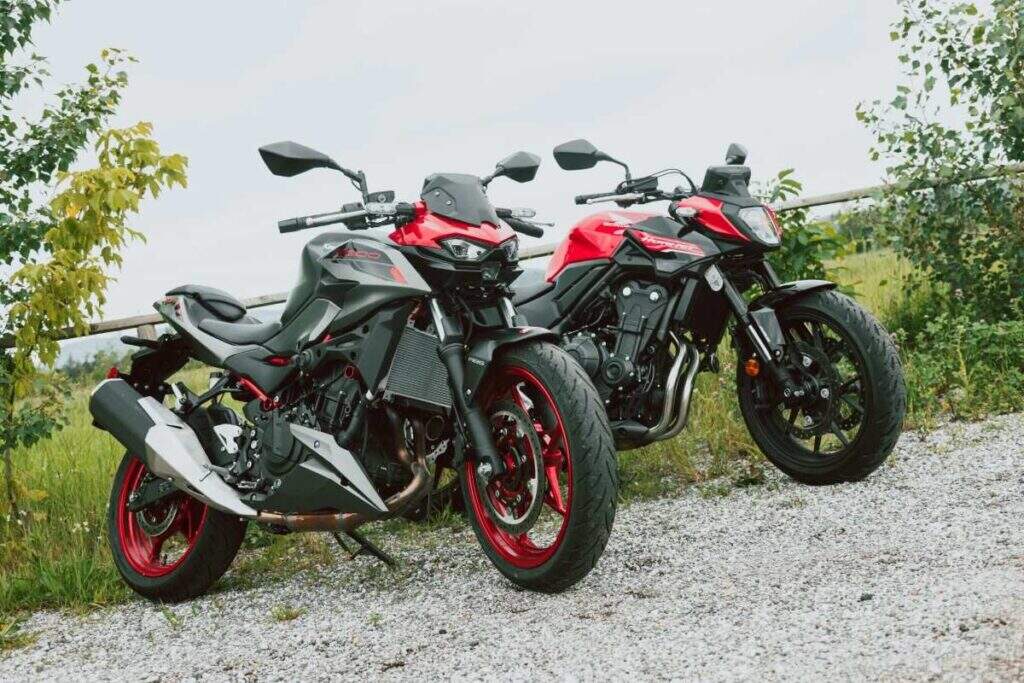
Concept: the shared sports base
Both motorcycles are born from sporty lineups, taking advantage of the most efficient and reliable engine platforms from their respective factories. The Kawasaki Z500 inherits the engine from the Ninja 500, while the Honda CB500 Hornet uses the same engine base as the NX500 (already on sale in Brazil). This strategy is aimed at guaranteeing the much-desired reliability, low consumption and docility in everyday use.
Engines: details that make the difference
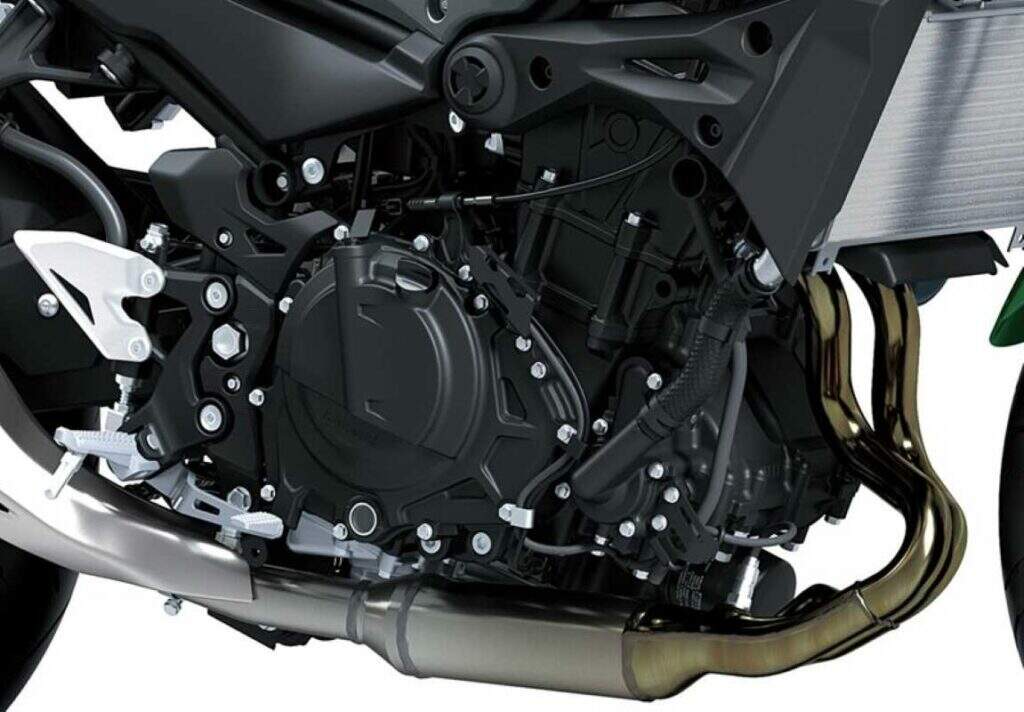
We know the Kawa engine well. It was "enlarged" from the Z400 (from 399 cm³ to 451 cm³) to meet Euro5+ standards. Today, the Z500's parallel twin-cylinder delivers 45 hp at 9,000 rpm and 4.5 kgf.m of torque at 6,000 rpm. It is worth noting that, for this adaptation, the maximum power has been reduced slightly compared to the Z400 (which had 45.4 hp), but the torque has increased.
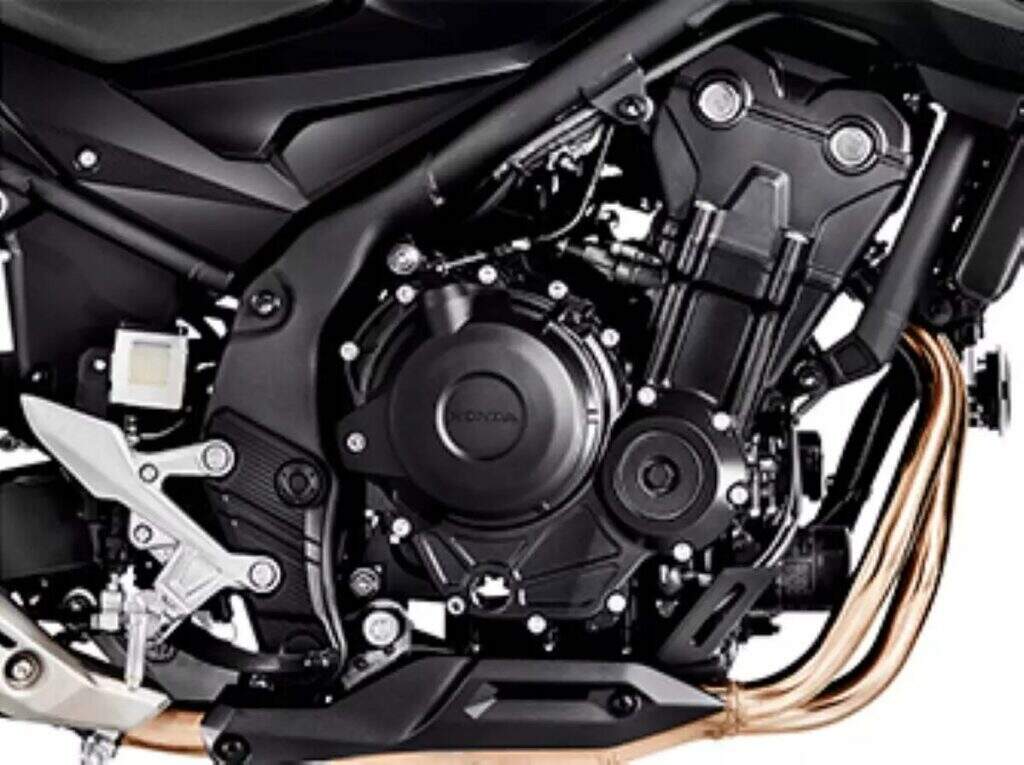
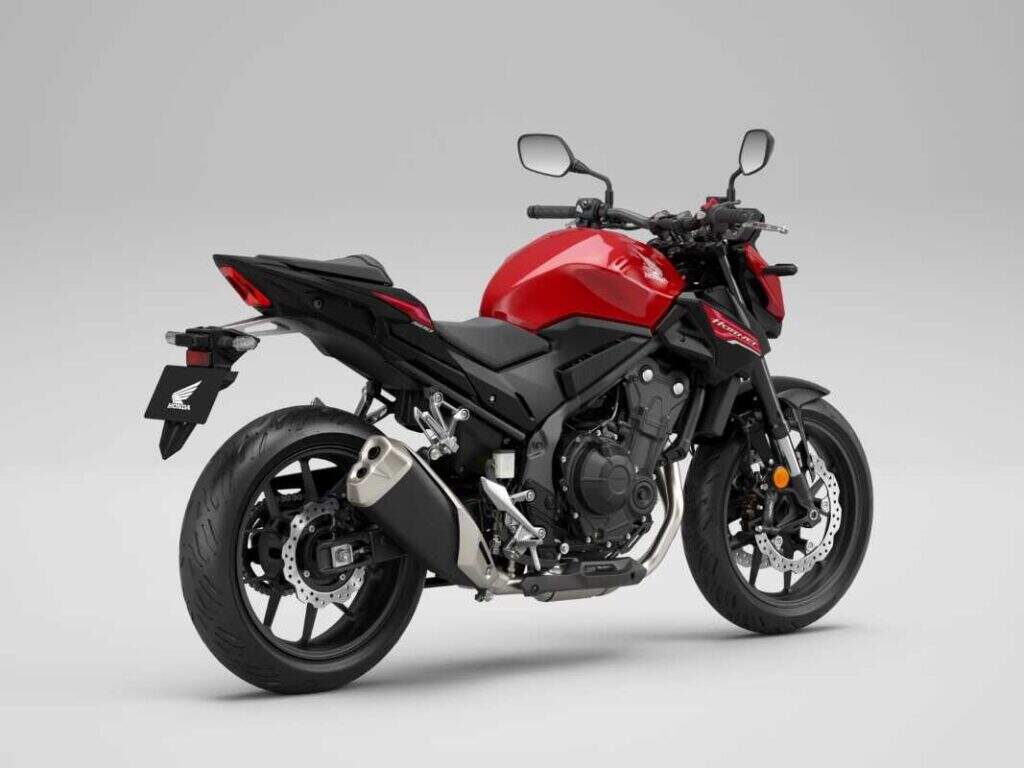
As far as Honda is concerned, the CB500 Hornet's engine is largely unchanged from the CB500F it replaces. It is a 471 cc DOHC in-line twin cylinder, fuel injected and liquid cooled. Although Honda Brazil has not officially released performance figures for the domestic market, other markets indicate a power output of 47 hp at 8,600 rpm and 43 Nm of torque at 6,500 rpm. Minor reconfigurations in the electronic injection are the main internal novelties.
READ MORE: Dafra Joyride 300: comfort, technology and versatility in the city and on the highway
On paper, the Honda CB500 Hornet is slightly more powerful and has marginally more torque available at lower revs, which historically makes it quite fun and responsive compared to its predecessors. And when it comes to consumptionBoth Japanese companies promise efficiency: the Kawasaki Z500 consumes 3.5 liters every 100 kilometers in mixed useA figure that Honda is also anticipating for its new naked.
Where the differences are striking
It's in cycling and equipment that the two nakeds reveal their biggest differences.
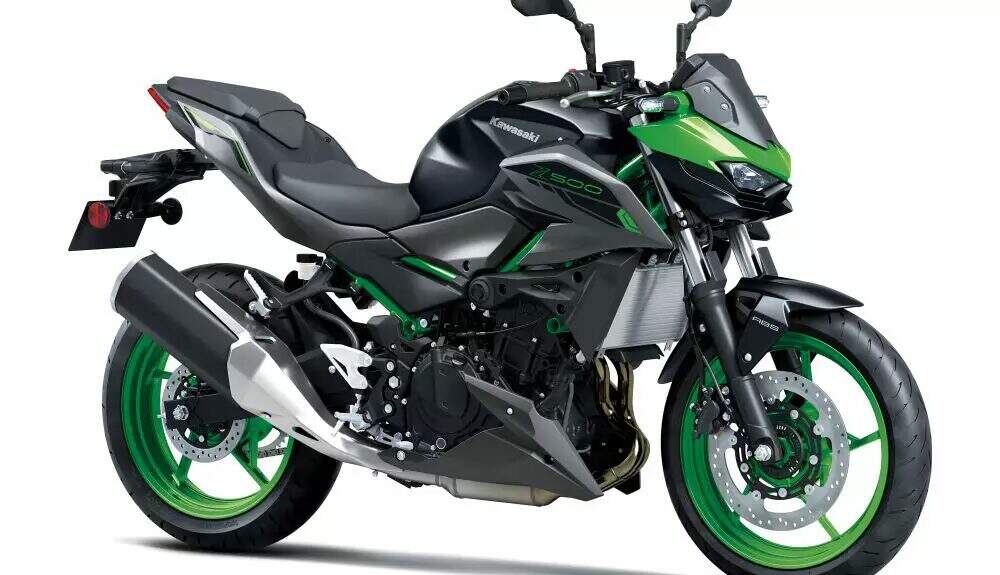
A Kawasaki Z500 comes equipped with a traditional 41 mm fork and a single brake disc at the front (310 mm, with 220 mm at the rear), both with Nissin components. At the rear, a monoshock with preload adjustment completes the package. The absence of an inverted fork is one of the most debated points in Kawasaki's 500 line.
On the other hand Honda CB500 Hornet invests heavily in this area. It has an inverted fork Showa SFF-BP with 108 mm of travelwhich, according to the brand, "significantly improves stability and handling compared to its ancestor". Its rear shock absorber is also made by Showa and has preload adjustment. For braking, the Hornet uses a 296 mm double disc with two-piston Nissin calipers on the front axle and a 240 mm disc at the rear. Although Honda's discs are smaller individually, the presence of double discs at the front is undoubtedly an advantage in terms of stopping power.
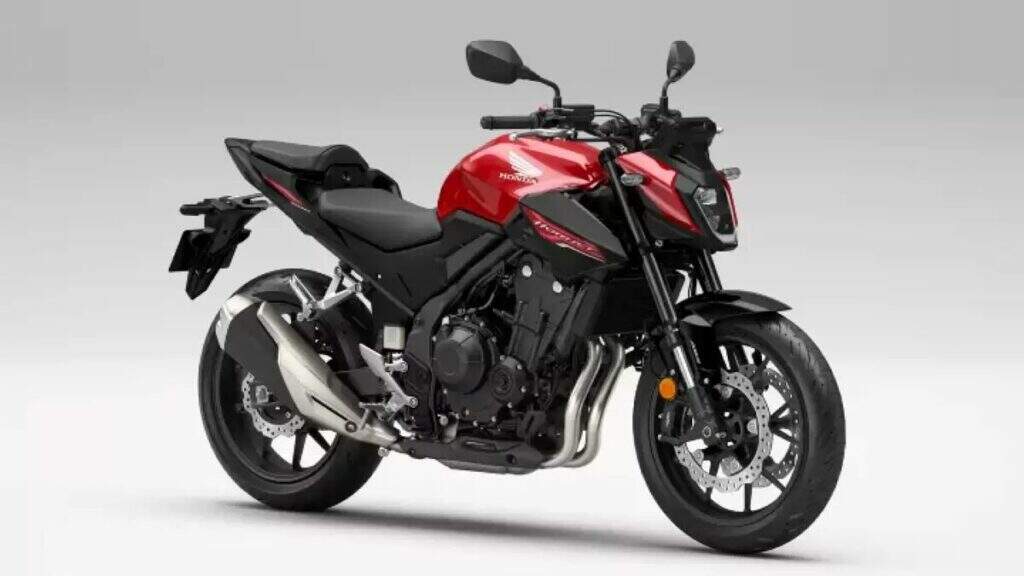
On the scales, the Kawasaki Z500 stands out for its featherweight weight of just 167 kg in running orderThis is a significant difference compared to the 192 kg of the Honda CB500 Hornet. This lightness can directly influence the Z500's agility.
On-board technology: comfort and safety
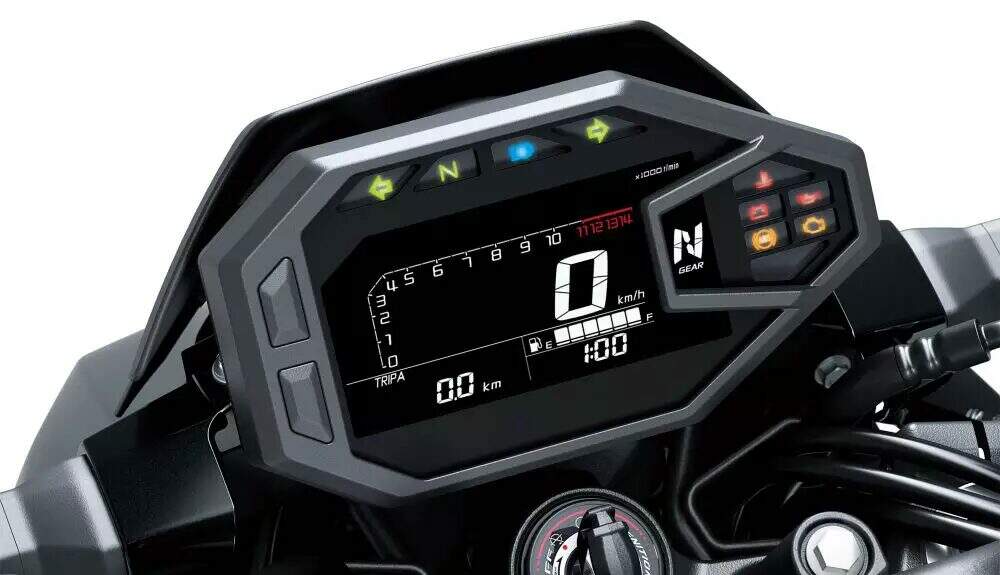
When it comes to riding technology, the Kawasaki Z500 offers basic but efficient LED lights and a dashboard with connectivity (in SE version). It also has an assisted slipper clutch, but lacks traction control or engine modes.
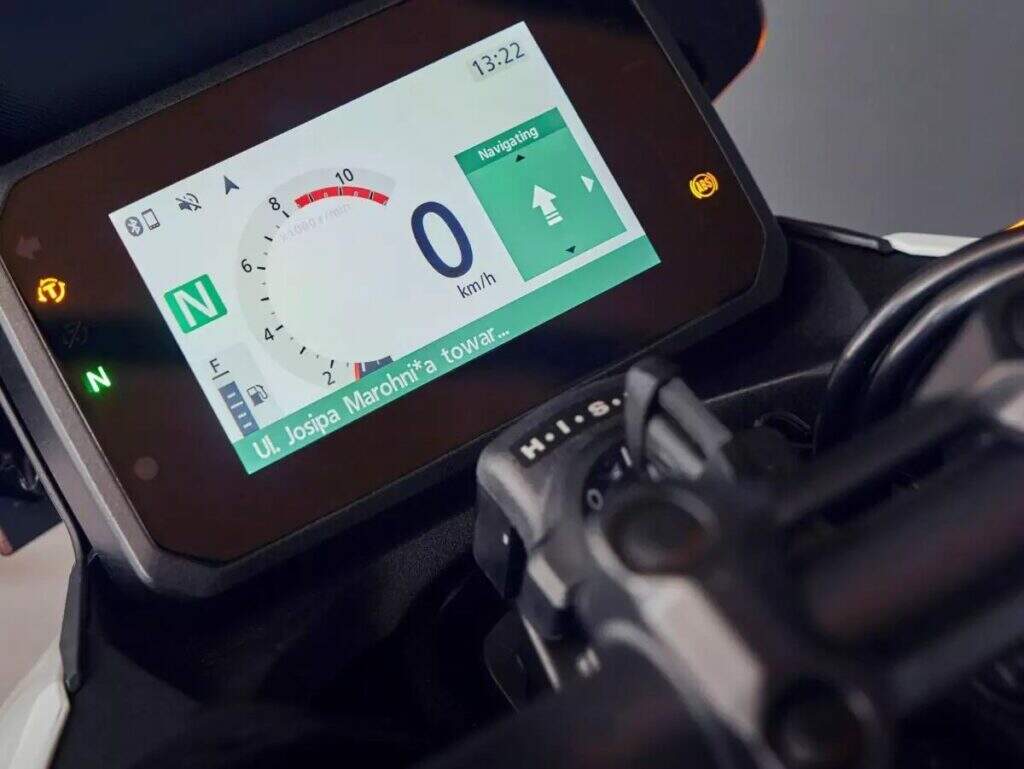
A Honda CB500 Hornet, on the other hand, comes with a slightly more robust package. It is equipped with the HSTC (Honda Selectable Torque Control)This system regulates the engine's torque delivery to prevent the rear wheel from slipping on low-grip surfaces, an important safety feature. It also offers ESS (Emergency Stop Signal)It also has a TFT dashboard and full LED lighting.
Price and conclusion: The choice is yours
A Honda CB500 Hornet was launched with a suggested price of R$ 43.040. A Kawasaki Z500In turn, its starting price is around R$ 35,470 for the basic version and R$ 38,870 for the SE version.
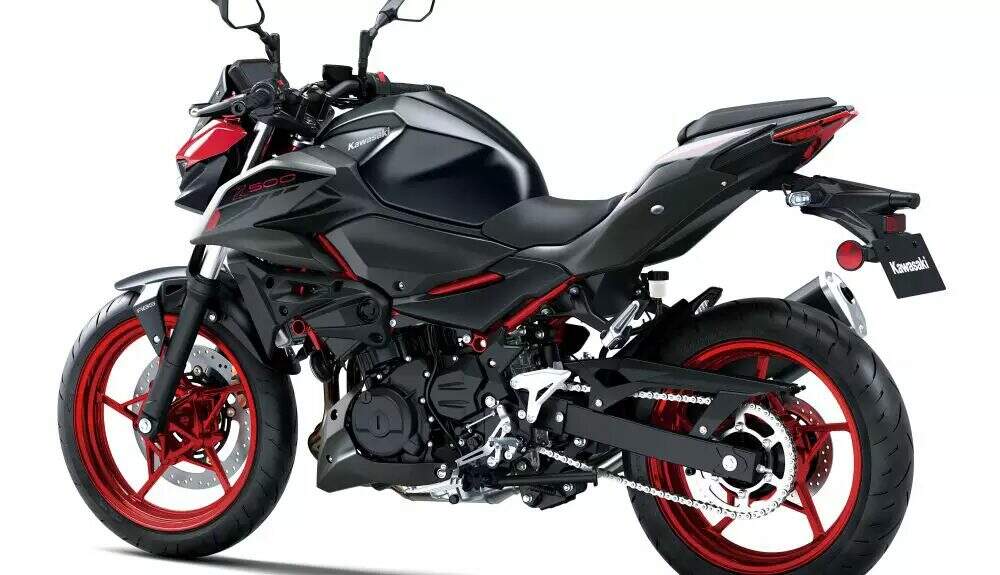
There is a price difference that could weigh on Honda, which turns out to be a little more expensive. However, this difference is justified by the details in the equipment, such as the inverted fork and traction control. On the other hand, the Kawasaki Z500 offers almost as complete a proposition at a more affordable priceThe main points of concern are the lack of an inverted fork and traction control.
Ultimately, the decision between the Honda CB500 Hornet and the Kawasaki Z500 will depend on your profile, the value you place on each of these differentials and your passion for the brand. Is the Hornet's extra power and more sophisticated riding worth the extra investment for you? Or are the Z500's lightness and cost-effectiveness more attractive? The answer is up to you, but one thing is certain: the 500-cylinder naked segment has never been so exciting! Leave your comments.
 PT_BR
PT_BR  EN
EN  ES
ES 